

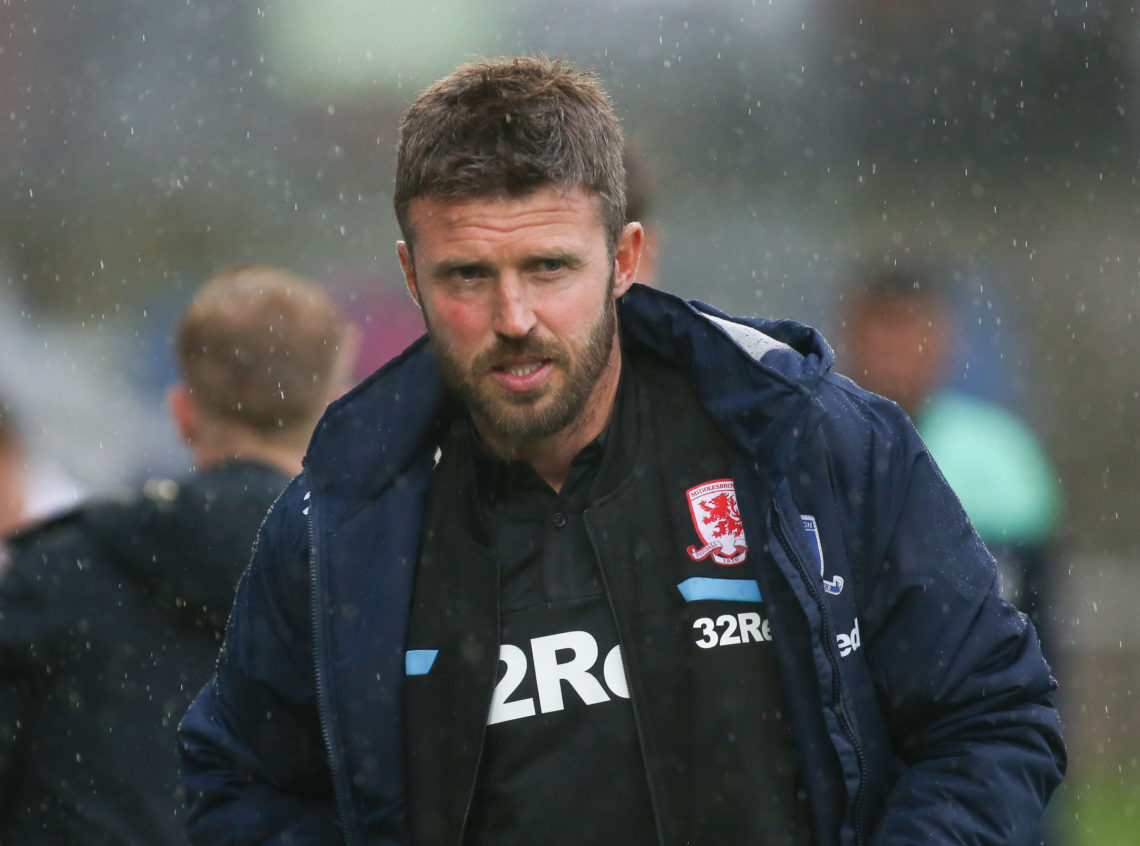


Around six months ago, on a bitterly cold and ultimately miserable Saturday afternoon in January, Middlesbrough were humbled and pummelled into submission by a vibrant Brighton team who swept them out of the FA Cup with a 5-1 win. I remember thinking at the time-along with many other Boro fans – wow!
Brighton really have progressed as a club since Middlesbrough pipped them to automatic promotion in 2016 and after seeing World Cup winner Alexis Mac Allister trot off the bench to bag two goals, it seemed their recruitment system is something we could only dream of.
Middlesbrough have realigned their own recruitment process over the past year, with significant changes to their club set up.
Appointing Kieran Scott as Head of Football was the first, and probably most significant piece in the jigsaw. After a quiet start to transfer proceedings this summer, the club, as announced on the club’s website, have acted swiftly to bring in no fewer than six new faces on permanent contracts in the space of one week.
The recruitment process has seen a continuation of the model introduced last season, with hungry and ambitious players brought in on the basis that they will be developed as solid future footballers for the club, or at the very least, if both parties did not enjoy the success they had hoped, they would become saleable assets.
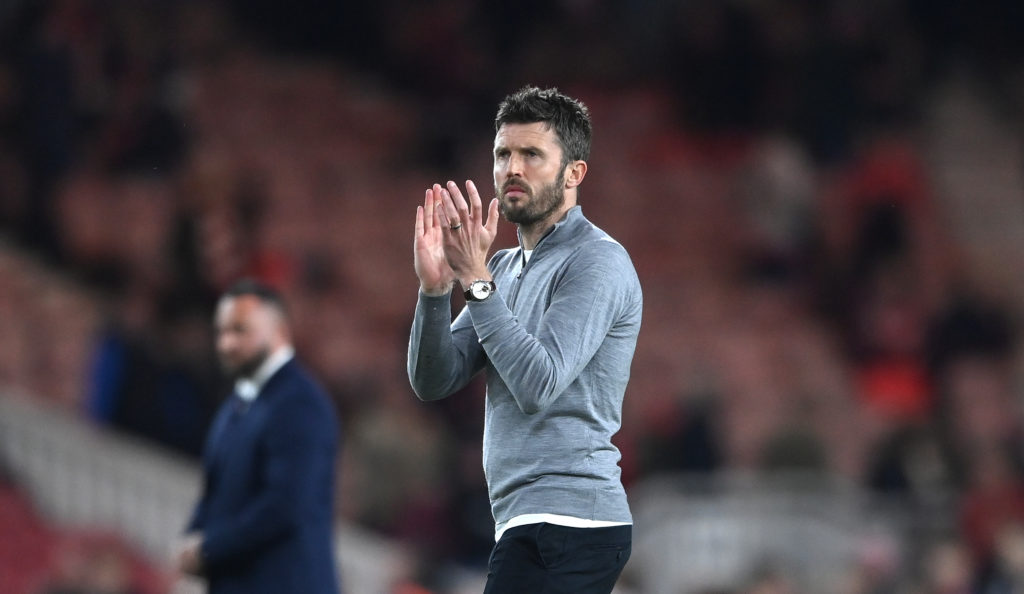
Carrick and his team must be delighted with the fact that they have secured the services of players (five of which are aged 25 or under) with something to prove and who have reached a crossroads in their career, looking to progress.
The signings of Alex Gilbert, Morgan Rogers, Seny Dieng, Tom Glover, Sam Silvera and Rav van den Berg are a far cry from the aging players that occupied former Boro manager Chris Wilder’s proposed shopping list last summer. The likes of David McGoldrick (now playing League Two football), and Dwight Gayle (3 goals in 31 apps for Stoke City) were allegedly vetoed by the club’s hierarchy last summer as they didn’t fit the new recruitment vision.
That call must be respected given their performances since. Middlesbrough will no longer entertain players who are deemed to be at a dead-end Cul-de-sac as opposed to a career crossroads and with an approximate average squad age of 24 for the current group, you would have to say, the future looks bright for the Teessiders.